Area attractions
Four very different Smokies
From the ridge you can be on a theme-park midway, a walkable mountain-town sidewalk, a quiet river road, or an eleven-mile loop through a historic valley — all on the same afternoon if you insist.
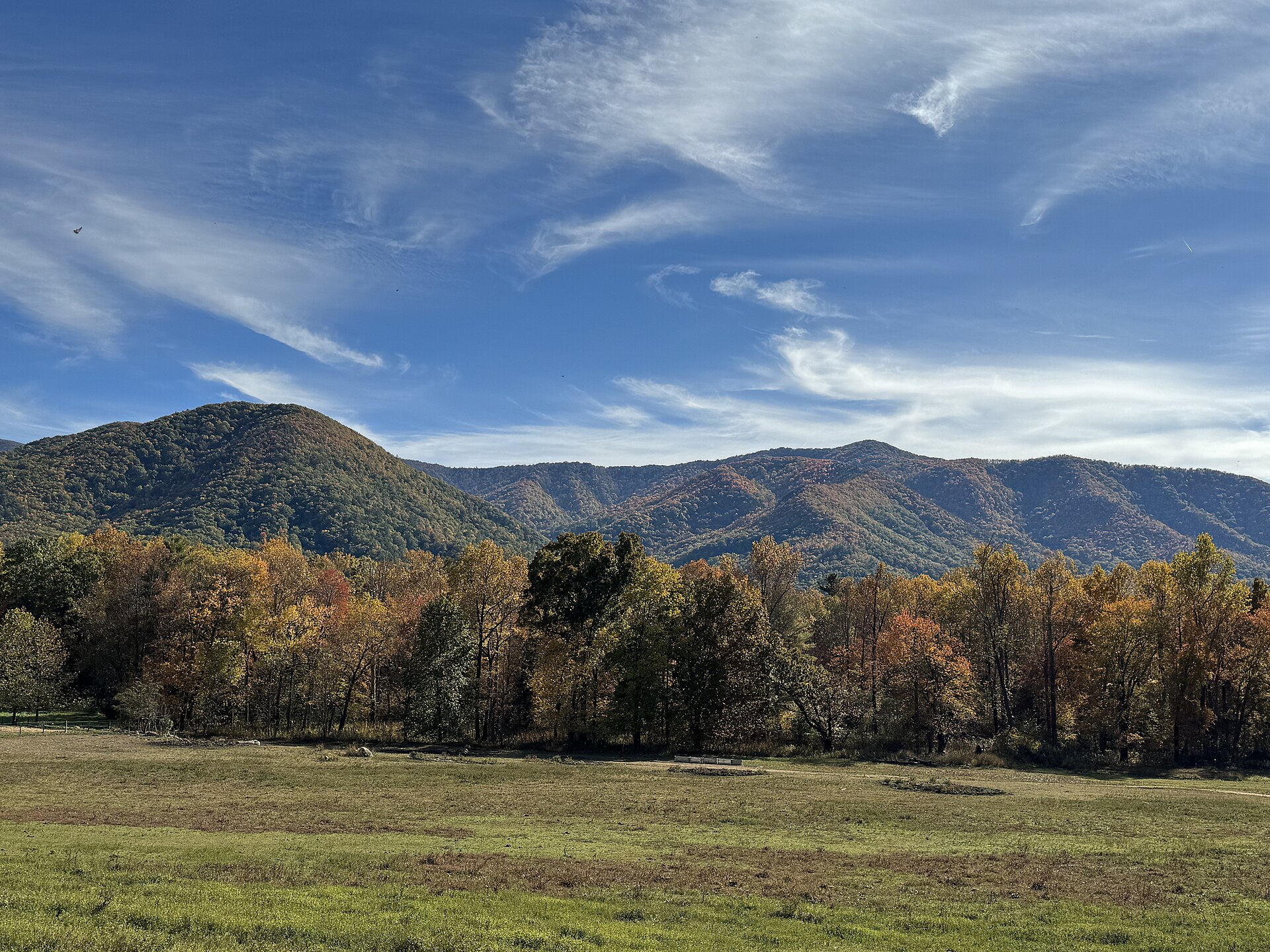
Gatlinburg
The mountain town at the park gate
Gatlinburg sits directly at the main entrance to Great Smoky Mountains National Park, which is why it is the most walkable of the area's towns — you can park once and spend a day on the Parkway sidewalks among shops, restaurants, candy makers and pancake houses.
The best-known stops are the Gatlinburg SkyLift Park and its pedestrian sky bridge, Ripley's Aquarium of the Smokies, and Ober Mountain, reached by aerial tramway from downtown. Just outside town, the Great Smoky Arts and Crafts Community loop strings together working studios of potters, woodworkers and weavers.
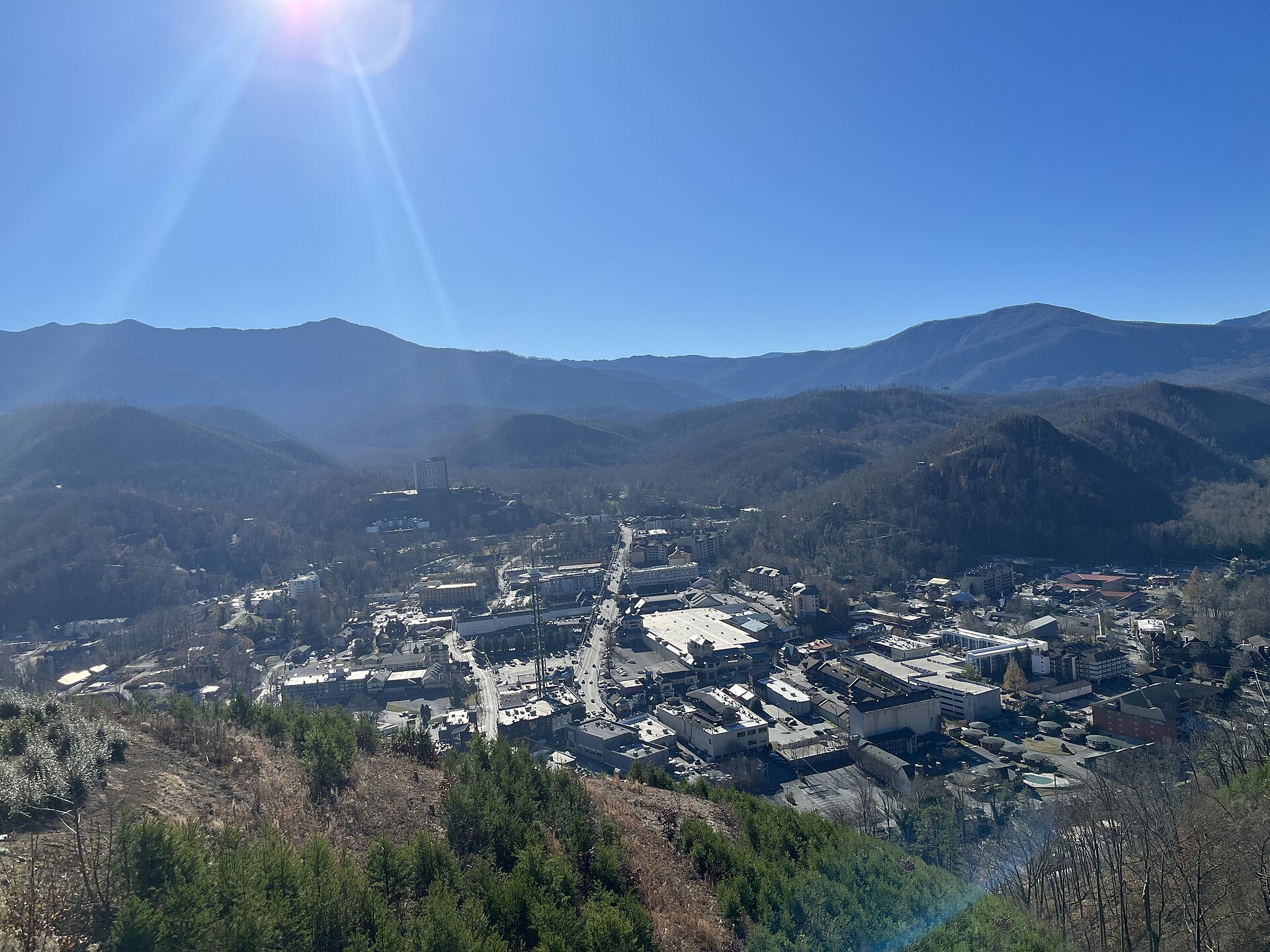
Pigeon Forge
The loud, fun one
Pigeon Forge is the nearest town to the ridge and the region's entertainment center. Dollywood — the theme park Dolly Parton lends her name to — anchors it, along with its adjoining water park, and The Island in Pigeon Forge with its Great Smoky Mountain Wheel and fountain show.
The Parkway itself is the attraction for many visitors: dinner theaters, go-karts, mini golf, the Titanic Museum Attraction, and a long run of outlet shopping. It is also where you will find the widest choice of groceries and restaurants on a grocery run from the community.
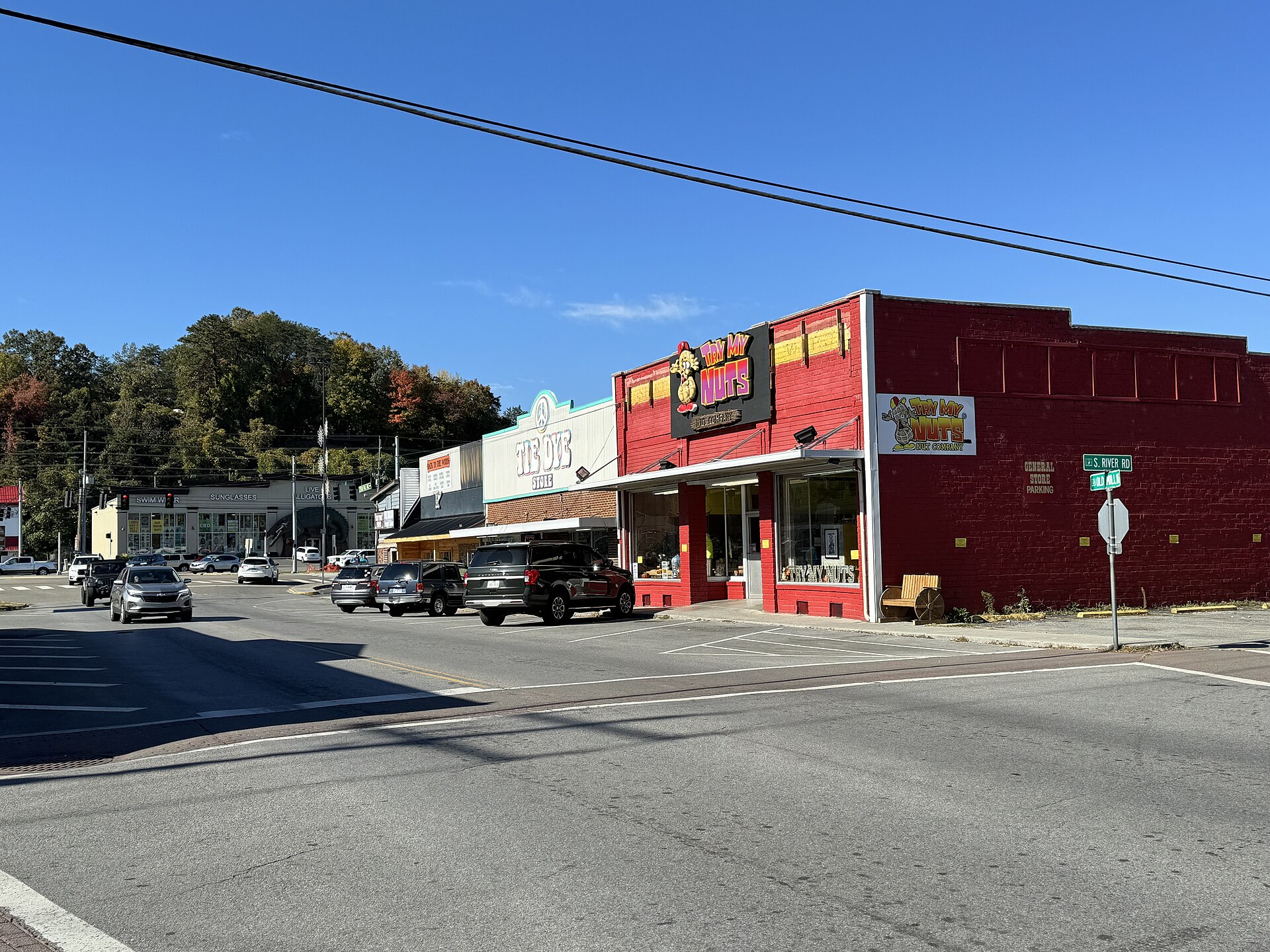
Townsend
The peaceful side of the Smokies
Townsend has long called itself the “Peaceful Side of the Smokies,” and it earns the name. It is the quiet western gateway to the national park, and the way in to Cades Cove for anyone who would rather not cross the mountain from Gatlinburg.
Summers there revolve around tubing and wading on the Little River, which runs right alongside the highway. The Great Smoky Mountains Heritage Center tells the story of the families who lived in these coves before the park, and the Foothills Parkway spur nearby delivers some of the widest views in the region for very little effort.
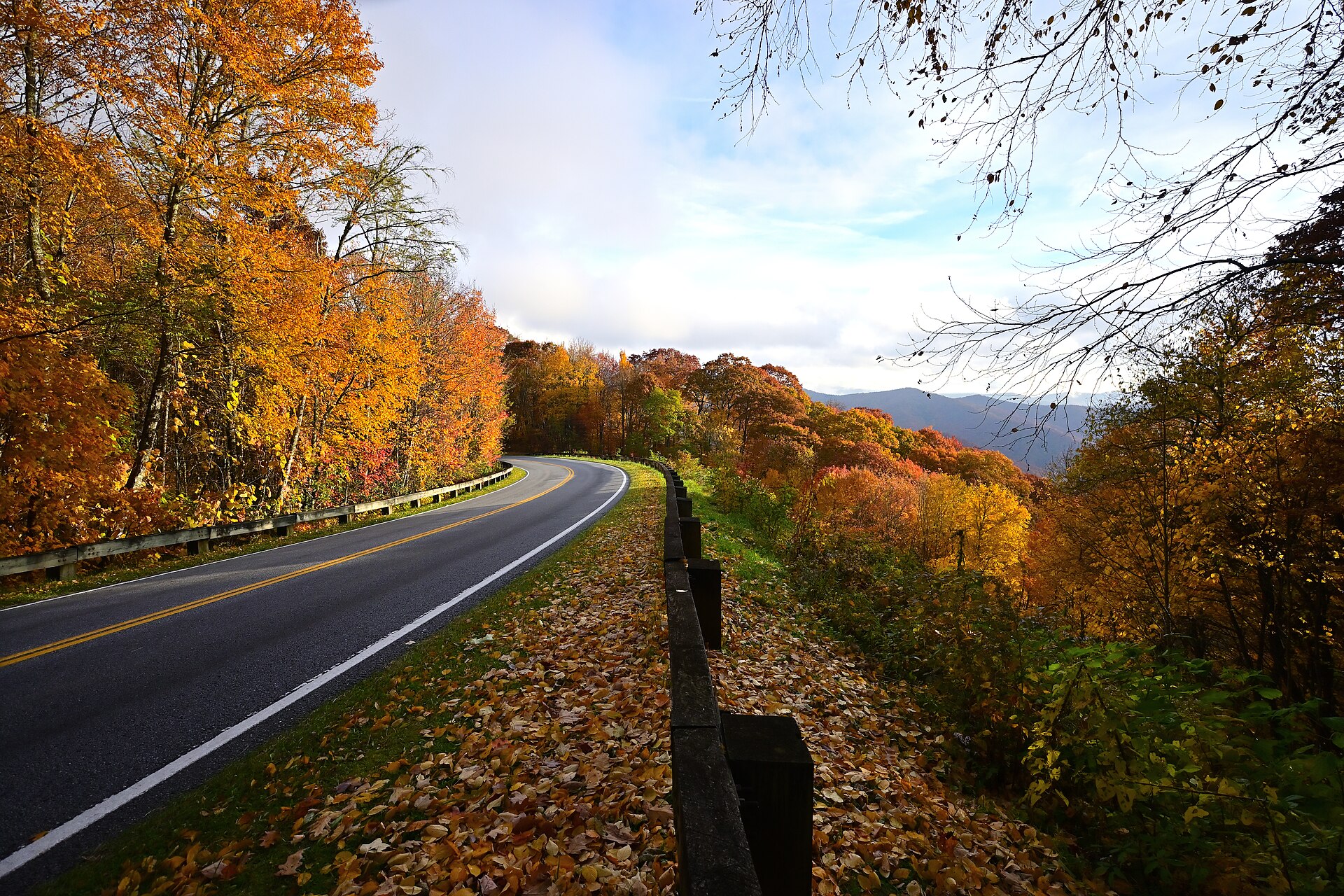
Great Smoky Mountains National Park
The reason all of this is here
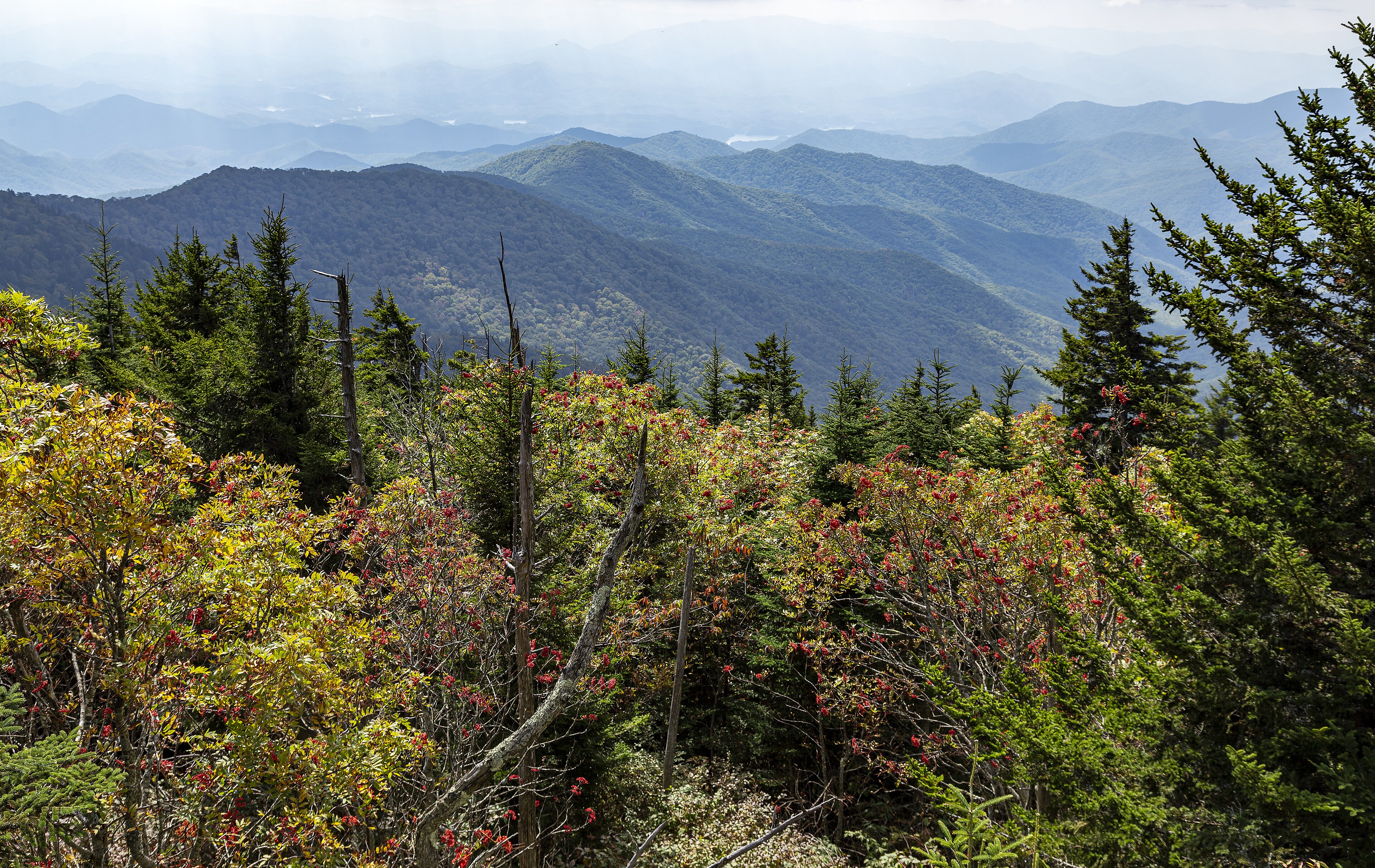
Great Smoky Mountains National Park straddles the Tennessee–North Carolina line and is the most-visited national park in the United States. It protects more than 800 miles of hiking trails, some of the oldest mountains on the continent, and one of the most biologically diverse temperate forests anywhere.
Newfound Gap Road climbs across the crest between Gatlinburg and Cherokee, North Carolina, with pull-offs the whole way up. A spur near the top reaches Kuwohi — long known as Clingmans Dome — the highest point in Tennessee, where an observation tower rises just above the spruce-fir forest.
The park charges no entrance fee, but vehicles left parked for more than fifteen minutes need a valid parking tag. Check the Park Service site for current tag details, seasonal road closures and trail conditions before you set out.
Cades Cove
An eleven-mile loop through a valley that stayed
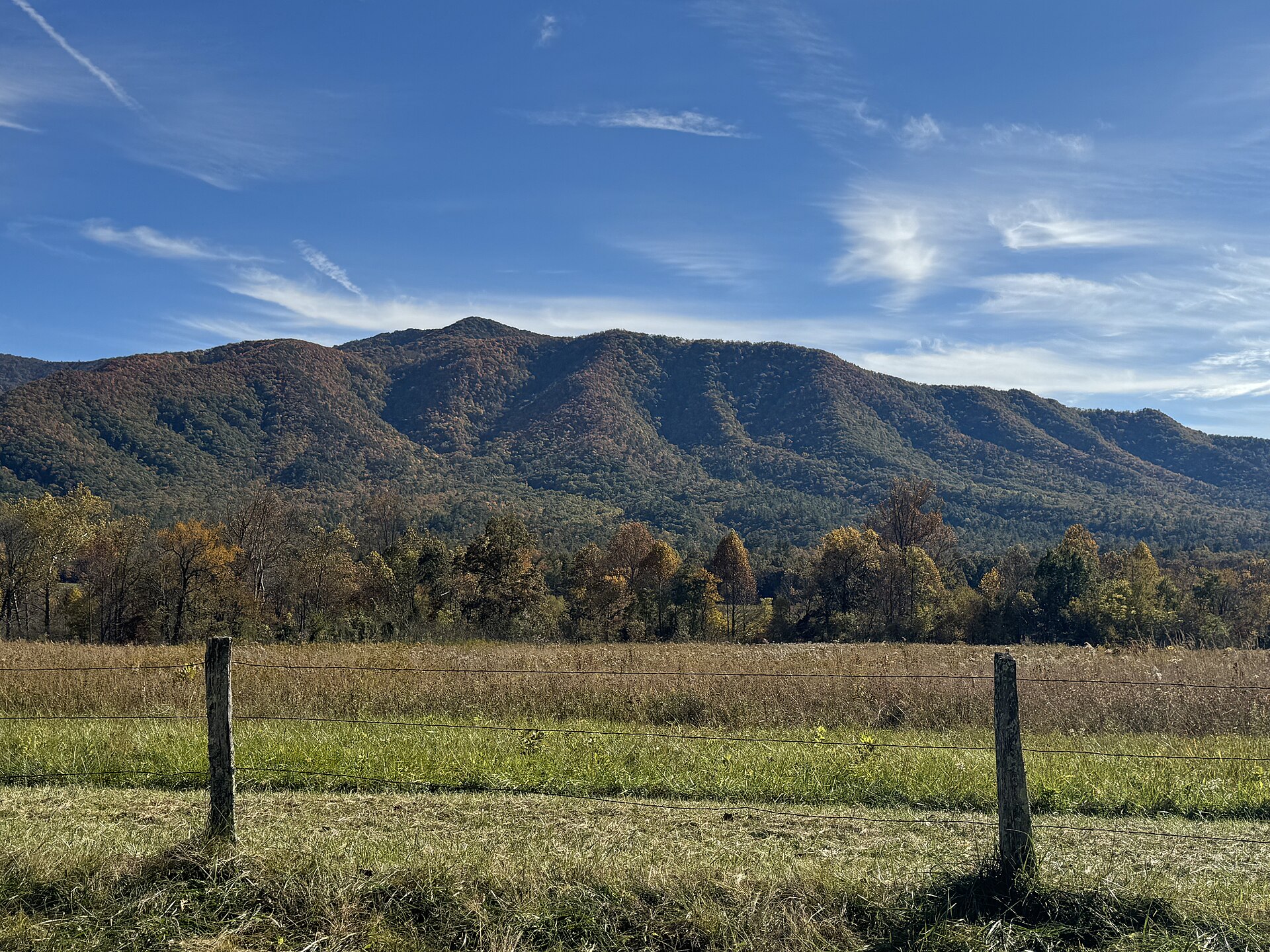
Cades Cove is a broad, level valley inside the park, circled by a one-way loop road about eleven miles long. The Park Service maintains the open pasture and the buildings the valley's families left behind — log homes, three churches, and the Cable Mill with its working water wheel.
It is also the region's most reliable wildlife viewing: white-tailed deer almost every visit, wild turkeys, and black bears often enough that traffic stops for them. Early morning and the last hours of daylight are both the best time to see animals and the best time to avoid the worst of the congestion.
The loop is closed to motor vehicles on some mornings during the warm months so that cyclists and walkers have it to themselves — worth checking the Park Service calendar, in either direction, before you drive over.
Before you go
A few things worth knowing
None of this is unique to Smoky Mountain Ridge — it is just what regulars in this part of the Smokies already do.
Road closures on Newfound Gap and the Cades Cove loop, vehicle parking tags and trail conditions all live on nps.gov/grsm.
Cades Cove and the popular trailheads fill their parking areas by mid-morning in season. Wildlife is more active at the edges of the day anyway.
Gatlinburg is the busy front door; Townsend is the quiet one. Pick your entrance based on how much traffic you are willing to sit in.
It can be fifteen or twenty degrees cooler at the crest than on the Parkway, and clouds move through fast. Bring a layer and rain gear.
Black bears are common and are not tame. Never feed or approach them, and store food properly at picnic areas and trailheads.
The road that brings you home to the ridge also connects toward Townsend, so the western park entrance is closer than the map first suggests.
Stay on the ridge, play in the valley
Base yourself in a quiet mountain community and let the crowds be somewhere you visit rather than somewhere you sleep.